

Ezi-Prep™
Belron® International and DCA Design International
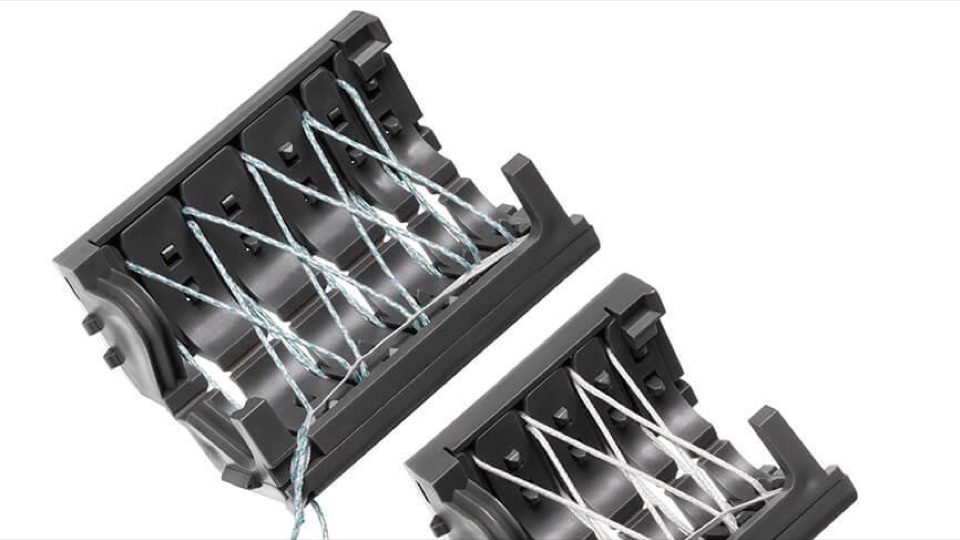
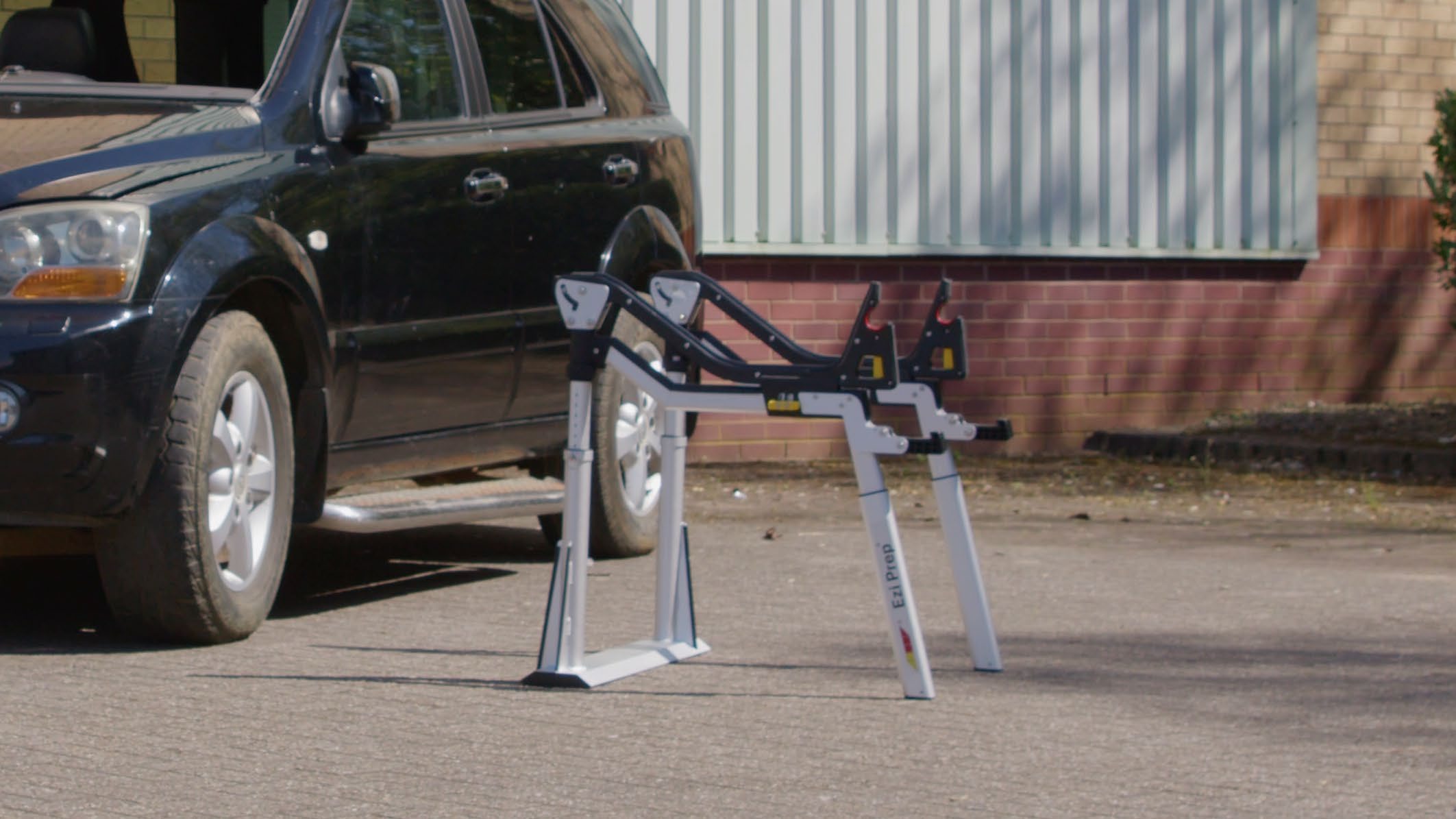
Ezi-Prep™, developed by Belron® International and DCA Design International, is an automotive windscreen preparation and fitting system designed to reduce physical demands and make the work more accessible to a broader range of technicians. Its preparation table and brace support glass inspection and cleaning, adhesive application, and fitting into the vehicle. The table supports rotation and positioning of the glass, while the brace provides stability and helps technicians align the windscreen. Judges recognized the team’s rigorous ergonomic analysis, including motion analysis, RULA and REBA assessments, and extensive global research with installers and trainers. They praised the translation of user requirements into practical design solutions and the commitment to human factors beyond regulatory requirements.
The team’s evaluations reported a 10–15 kg reduction in peak load carried by technicians, less bending, and improved ability for smaller or shorter technicians to handle large windscreens.
“We’re honored that Ezi-Prep has been recognized with the Stanley Caplan User Centered Product Design Award. The project began with a simple goal: make a physically demanding task safer, easier, and more accessible for the technicians who perform it every day. By listening closely to our people and applying rigorous ergonomics throughout development, we were able to create a solution that improves the working experience while supporting the quality and consistency our customers depend on.”
“Ezi-Prep is a strong example of what can happen when detailed user research, ergonomics, and design engineering are brought together from the outset. By bringing together a multi-disciplinary team of engineers and human factors specialists, we were able to translate the real physical challenges experienced by technicians into clear design requirements, and turn them into practical solutions. We’re delighted to see that process recognized by the Stanley Caplan Award, particularly because it demonstrates the value of rigorous human-centered design in an area where it is not always expected.”